

Hear from Our Customers
You’re not imagining it. That musty smell in the basement. The stuffiness when you walk into certain rooms. The allergies that seem worse at home than anywhere else.
Here’s what most people don’t realize: by the time you see mold, it’s already been growing for weeks. And the stuff you can see? That’s usually not the problem. The real issue is what’s behind your walls, under your floors, or in your HVAC system.
A professional mold test tells you exactly what you’re dealing with. Not a guess. Not a maybe. Lab-verified results that show what species are present, how much is there, and whether your indoor air quality is worse than outside. That matters because some mold is harmless. Some isn’t. And you need to know the difference before you spend thousands fixing the wrong problem.
In Newtown Grant, where 58% of homes are attached rowhomes and many were built before 1940, moisture problems don’t stay isolated. Your neighbor’s issue can become yours. Pennsylvania’s humid summers create perfect conditions for mold to spread fast. Testing catches it early, before it affects your health or your home’s resale value.
We serve Bucks County homeowners who need straight answers about mold. We’re not a national franchise reading from a script. We’re local professionals who understand how Pennsylvania’s climate affects your home.
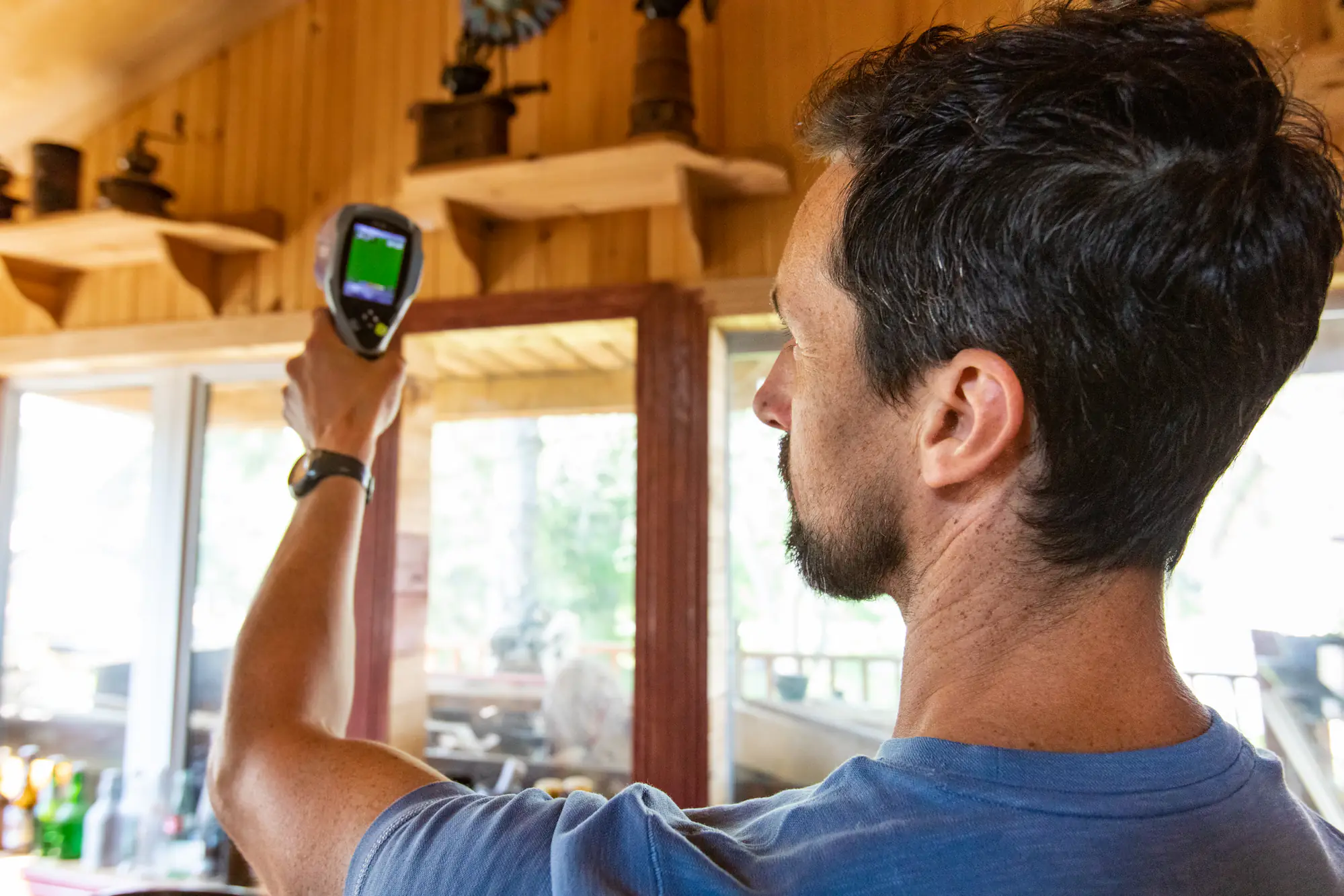
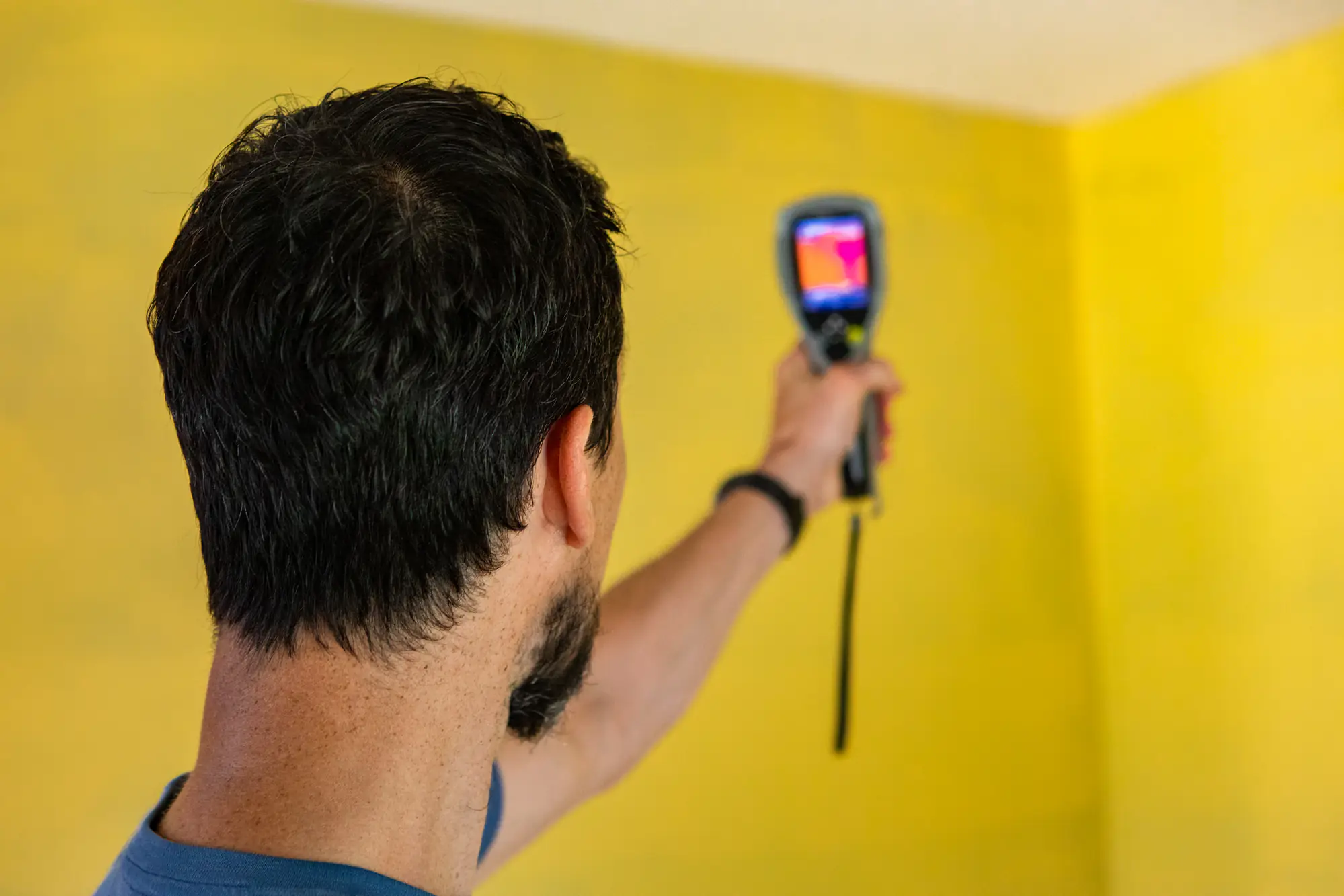
We use thermal imaging and moisture meters to find problems you can’t see. We collect air and surface samples. We send them to a nationally recognized lab that specializes in mold analysis. You get results in three to five business days, along with a clear explanation of what they mean.
Your home in Newtown Grant represents a significant investment. The median property value here is over $580,000. You didn’t work that hard to let hidden mold damage it. We help you protect what you’ve built.
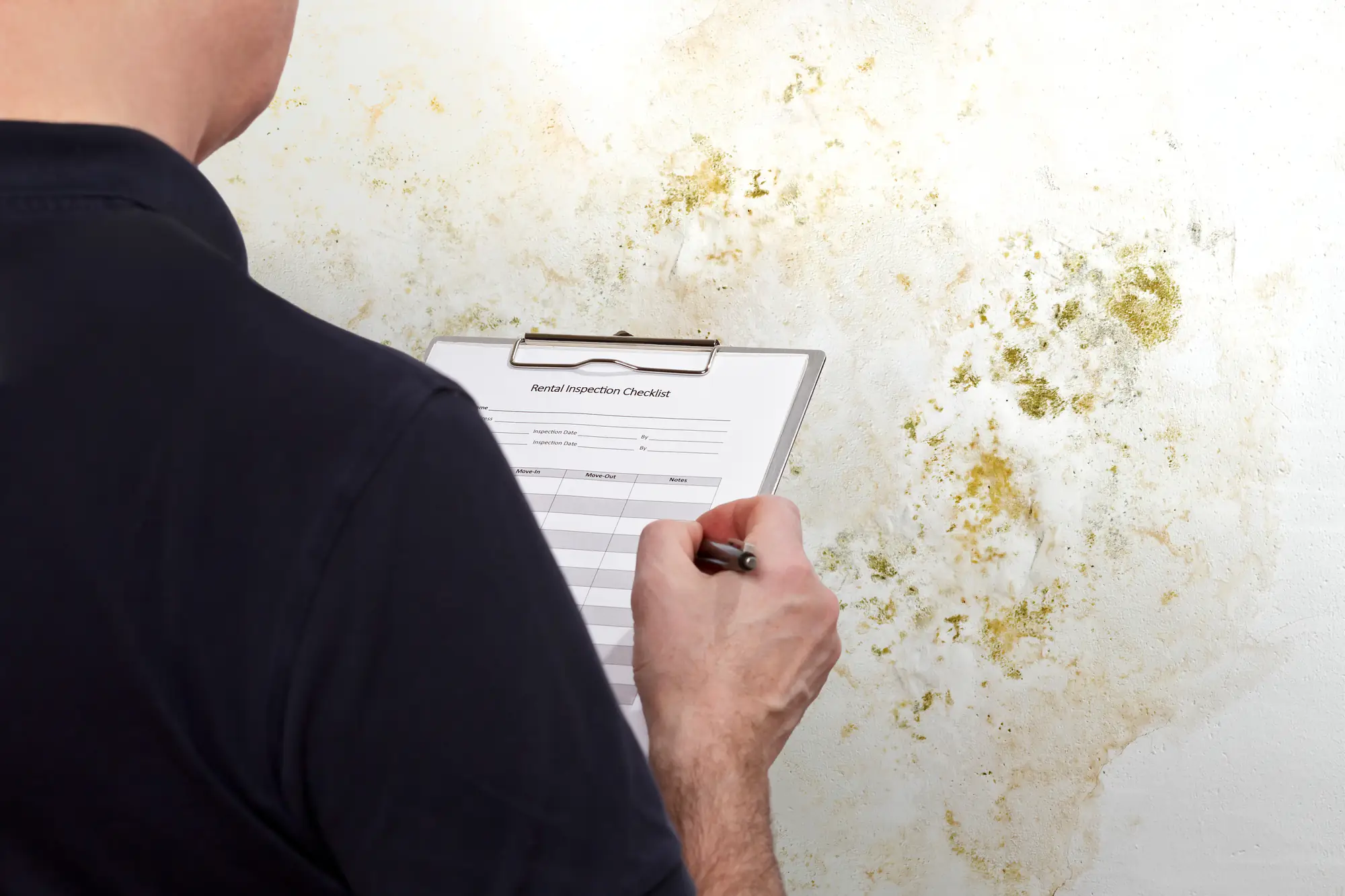
First, we talk. You tell us what you’ve noticed, where you’re concerned, and what prompted you to call. That conversation matters because it tells us where to look beyond the obvious spots.
Then we inspect your home. We’re checking moisture levels, looking for water damage, examining your HVAC system, and using thermal imaging to spot temperature differences that indicate hidden moisture. This isn’t a quick walkthrough. We’re methodical because mold hides in places most people never think to check.
Next comes testing. We collect air samples from multiple rooms to measure spore concentration. We take surface samples from areas that look suspicious. The goal is to compare your indoor air quality to outdoor levels and identify exactly what species are present.
The samples go to the lab. When results come back, we walk you through them in plain language. If there’s a problem, we explain what needs to happen next. If your levels are normal, you’ll know that too. Either way, you’re making decisions based on facts, not fear.
Ready to get started?
Your mold test includes a complete visual inspection of your property. We’re looking at basements, crawl spaces, attics, bathrooms, kitchens, and anywhere moisture tends to accumulate. In older Newtown Grant homes, that often means checking around original plumbing and in areas with limited ventilation.
You get both air and surface testing. Air samples tell us what you’re breathing. Surface samples tell us what’s growing on your walls, floors, or belongings. Both matter. Some mold releases spores constantly. Some doesn’t. The combination gives you the full picture.
The lab analysis identifies species and measures concentration. That’s critical because not all mold requires the same response. Some species indicate a serious moisture problem. Others are common and relatively harmless. You need to know which you’re dealing with before anyone starts tearing into your walls.
You also get documentation that insurance companies actually accept. We’ve handled plenty of claims over the years. We know what adjusters need to see. If your mold problem is covered, you’ll have the paperwork to support your claim.
In Newtown Grant’s humid climate, where summer moisture levels regularly exceed 70%, your home is constantly at risk. Professional testing gives you a baseline. You’ll know if that risk has turned into an actual problem.
Most residential mold testing in Bucks County runs between a few hundred to around a thousand dollars, depending on your home’s size and how many samples we need to collect. That’s significantly less than the average remediation cost of $2,300 if you wait until the problem gets worse.
Here’s what affects the price: square footage, number of rooms tested, whether we’re testing air quality or taking surface samples or both, and how accessible the areas of concern are. A straightforward test in a 2,000 square foot home costs less than testing a larger property with a finished basement, attic, and crawl space.
The real question isn’t what testing costs. It’s what not testing costs. Homes with mold issues lose 20% to 37% of their value. Half of interested buyers walk away once they learn a home had mold problems. Early detection protects your investment and prevents small issues from becoming expensive disasters.
DIY kits can’t find hidden mold. If it’s behind a wall, under flooring, or in your ductwork, a test kit sitting on your counter won’t detect it. Those kits also can’t tell you how much mold is present or whether your indoor levels are actually worse than outside.
Here’s the bigger problem: DIY kits often give false positives. They’ll detect mold spores that exist in every home, then leave you wondering if you have a real problem or not. You end up paying for testing twice anyway, once for the kit and once for a professional to tell you what the results actually mean.
Professional testing uses calibrated equipment and lab analysis to identify species, measure concentration, and compare indoor to outdoor levels. We use thermal imaging and moisture meters to locate problem areas that aren’t visible. That’s not something a $10 kit can do. You’re not just getting a yes or no answer. You’re getting actionable information about what’s happening in your home and what to do about it.
Lab results typically come back within three to five business days. The lab we work with is nationally recognized and specializes in mold analysis, so you’re getting accurate identification and concentration levels, not rushed guesswork.
The inspection itself takes a few hours, depending on your home’s size and layout. We’re not rushing through it. We’re checking moisture levels, examining potential problem areas, collecting samples, and documenting everything properly. In older Newtown Grant homes, that often means spending extra time in basements and around original construction where moisture issues are most common.
Once we get results, we schedule a follow-up to walk you through them. You’ll understand what species were found, whether concentrations are elevated compared to outdoor air, and what happens next if there’s a problem. If remediation is needed, we create a custom plan based on your specific situation. If your levels are normal, you’ll have documentation proving your home’s air quality is fine.
Musty odors are the most obvious sign, especially in basements, bathrooms, or rooms that don’t get much airflow. If you smell it, mold is already growing somewhere. The question is where and how much.
Visible discoloration on walls, ceilings, or around windows is another red flag. Black spots, green patches, or white fuzzy growth all indicate active mold. But here’s what most people miss: by the time you see it, there’s usually more growing in places you can’t see.
Health symptoms that improve when you leave home are a major indicator. Persistent coughing, sneezing, headaches, or respiratory issues that seem worse at home than anywhere else often point to poor indoor air quality. Mold contributes to 4.6 million asthma cases annually in the U.S. If someone in your household is struggling with unexplained symptoms, testing gives you answers.
Water damage, past or present, means you should test. Pennsylvania’s humid summers create perfect conditions for mold growth within 24 to 48 hours of water exposure. Even if you cleaned up the visible damage, mold could be growing behind walls or under floors where moisture got trapped.
Yes, especially in Newtown Grant where many homes were built before 1940 and over half are attached rowhomes. Older construction means older plumbing, less effective moisture barriers, and ventilation systems that weren’t designed for modern humidity levels.
A standard home inspection doesn’t include mold testing. Inspectors note visible issues, but they’re not collecting air samples or using thermal imaging to find hidden growth. You could buy a home with a serious mold problem and not know until after closing.
Mold testing before purchase gives you leverage. If the test reveals elevated levels, you can negotiate repairs, ask for a price reduction, or walk away entirely. That matters when you’re looking at median property values over $580,000. You’re protecting a major investment.
Attached homes create additional risk. If the property next door has moisture issues, there’s a chance it’s affecting the home you’re considering. Testing tells you whether that’s happening before you commit. It’s a few hundred dollars now versus thousands in unexpected remediation costs later.
First, don’t panic. Positive results don’t automatically mean your home is uninhabitable. They mean you have elevated mold levels that need to be addressed. The lab report tells us what species are present and how concentrated they are compared to outdoor air.
We create a custom remediation plan based on your specific results. Small, contained areas are handled differently than widespread growth. Surface mold is treated differently than airborne spore problems. The plan addresses what’s actually happening in your home, not a one-size-fits-all approach.
Remediation involves containment, removal, and prevention. We isolate affected areas to prevent spores from spreading during cleanup. We remove contaminated materials safely. Then we address the moisture source so mold doesn’t come back. That last part is critical. If you don’t fix what caused the mold, you’ll be dealing with it again in six months.
We also handle insurance documentation if your policy covers mold damage. Many homeowners don’t realize their insurance might pay for remediation, especially if the mold resulted from a covered event like a pipe burst or roof leak. We provide the detailed reports and evidence adjusters need to process your claim.
Other Services we provide in Newtown Grant